
Understanding the Therapeutic Benefits of CBD
In recent years, the wellness industry has seen a significant rise in interest surrounding CBD, or cannabidiol, a non-psychoactive compound derived from the cannabis plant. This natural remedy is celebrated for its potential health benefits, impacting various aspects of physical and mental well-being. With a growing body of research supporting its efficacy, CBD is becoming a preferred choice for individuals seeking alternative solutions for health issues. At Firebudz, we aim to provide comprehensive insights into order weed online safely and reliably, prioritizing quality and customer satisfaction.
What are the Health Benefits of CBD?
CBD has been associated with a multitude of health benefits. Research suggests that it may help reduce anxiety, alleviate pain, and assist in managing seizures. Users report improvements in sleep, mood, and overall quality of life after incorporating CBD into their wellness routines. Moreover, ongoing studies indicate potential benefits for conditions such as PTSD, arthritis, and inflammatory diseases.
How CBD Affects the Endocannabinoid System
The endocannabinoid system (ECS) plays a crucial role in maintaining homeostasis within the body. It comprises receptors, endocannabinoids, and enzymes that regulate various functions, including mood, sleep, appetite, and pain sensation. CBD interacts with cannabinoid receptors in the ECS, potentially enhancing the effects of endocannabinoids and promoting balance in physiological processes. This interaction is part of what makes CBD a compelling option for holistic wellness.
CBD for Stress, Anxiety, and Sleep Disorders
Suffering from chronic stress and anxiety can significantly impact mental health. CBD has been studied for its anxiolytic properties, showing promise in reducing feelings of fear and anxiety in both animal and human studies. Additionally, CBD may improve sleep quality by addressing underlying issues such as anxiety and discomfort, thus fostering a more restful night's sleep.
Exploring Different CBD Products and Delivery Methods
CBD products come in various forms, each with unique advantages and considerations. When exploring options, consumers can choose between oils, tinctures, edibles, topicals, and even vaping methods. Each delivery method varies in terms of bioavailability, onset time, and duration of effects, allowing users to find the best fit for their individual needs.
Comparing CBD Oils, Tinctures, and Edibles
CBD oils and tinctures are popular choices due to their versatility. Oils can be taken sublingually for faster absorption, while tinctures often come in flavored varieties. Edibles, such as gummies and capsules, provide a convenient and discreet way to consume CBD but may take longer to take effect due to the digestive process. Each method allows consumers to tailor their experience based on personal preferences.
Topical Applications: Creams and Balms for Targeted Relief
Topical CBD products, including creams, balms, and patches, are ideal for individuals seeking localized relief. These products are absorbed through the skin, targeting specific areas of pain or inflammation without affecting the whole body. They can be particularly beneficial for conditions like arthritis or muscle soreness, allowing for effective symptom management.
Vaping CBD: Pros and Cons of Inhalation Methods
Vaping CBD offers rapid onset effects, as the compound is absorbed directly into the bloodstream through the lungs. This method allows for fast relief, making it a popular choice among users. However, potential risks associated with vaping include concerns about lung health and the quality of vape juices. Careful selection of high-quality vaping products is essential for safety and satisfaction.
Proper Dosage and Usage Guidelines for CBD
Determining the appropriate CBD dosage can be challenging, as it varies based on individual factors such as body weight, metabolism, and the conditions being treated. A thoughtful approach to dosage can enhance the effectiveness of CBD, and understanding various implementation strategies can promote a tailored experience.
How to Determine Your Ideal CBD Dosage
Starting with a low dose and gradually increasing it—a method known as titration—can help users identify their optimal dosage. Monitoring the effects closely allows for adjustments based on personal responsiveness. Begin with a small serving and incrementally increase until the desired effects are achieved.
Titration: Gradually Increasing CBD Intake
Titration involves carefully adjusting your dose over time to find the perfect balance for your body's unique response to CBD. It’s recommended to wait a few days between adjustments to accurately gauge how each new dosage affects you, ensuring a personalized and effective experience.
Understanding Individual Variability in Response
Individual responses to CBD can significantly vary, influenced by factors such as genetics, lifestyle, and existing health conditions. Thus, finding your ideal dosage may require patience and attention to your body's reactions, allowing for a more effective and tailored approach.
Quality Indicators and Certification Standards in CBD
With the increasing popularity of CBD, product quality varies widely. To ensure safety and efficacy, consumers should be aware of key quality indicators and certification standards when choosing CBD products.
Importance of Third-Party Testing and COA
Third-party testing involves independent laboratories assessing the quality and potency of CBD products. Certificates of Analysis (COA) are essential documents that display results from these tests, confirming that products are free from harmful contaminants like pesticides and heavy metals while verifying cannabinoid levels.
Identifying Lab-Tested Products from Reputable Brands
When purchasing CBD products, look for brands that provide transparent access to lab results and COA. Reputable companies prioritize safety and quality, ensuring consumers can trust their products. If a brand cannot provide this information, it may be best to consider other options.
Sourcing Organic and Sustainable CBD
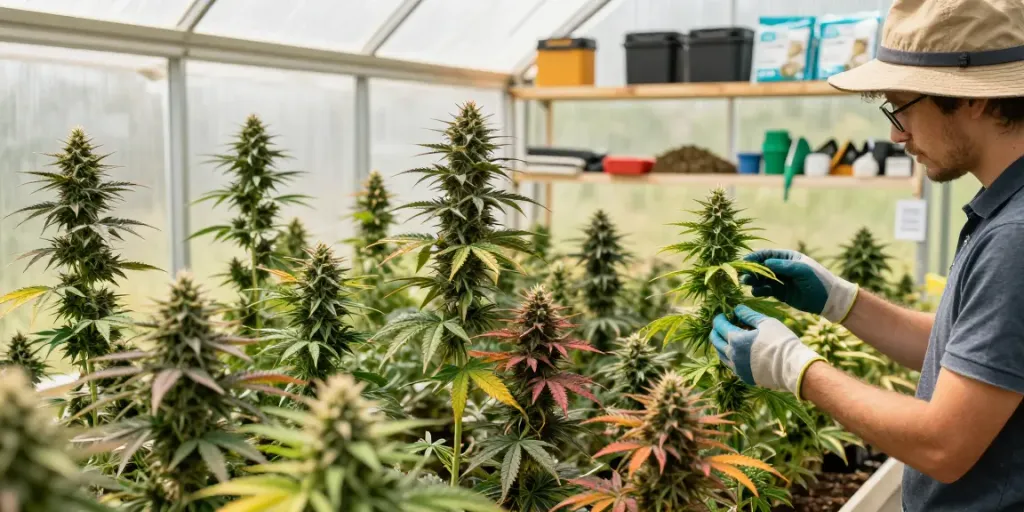
Choosing products made from organically grown hemp ensures that no harmful pesticides or chemicals are present in the final product. Sustainable growing practices not only promote environmental health but also contribute to the purity and quality of CBD extracts.
Legal Considerations for CBD in 2026
Understanding the legal landscape is crucial for consumers interested in CBD products. As regulations continue to evolve, awareness of the current laws and compliance requirements is essential for responsible use.
Current Federal and State Regulations
The 2018 Farm Bill marked a significant turning point in the legal status of hemp and CBD, allowing for the cultivation of hemp across the United States. However, individual states may have different regulations and restrictions regarding CBD products, so it’s vital to stay informed about local laws.
Understanding THC Levels and Legal Compliance
Under federal law, CBD products must contain less than 0.3% THC to be considered legal. It’s essential for consumers to verify THC levels in products, especially those who may be subject to drug testing, as full-spectrum CBD can contain trace amounts of THC.
Dispelling Myths about CBD and Drug Testing
Many individuals worry that using CBD products will result in a positive drug test due to THC content. While CBD itself is not likely to show up on a drug test, full-spectrum products may contain enough THC to pose a risk. Those concerned about drug testing should opt for broad-spectrum or THC-free products for safety.
What is the Difference between CBD and THC?
CBD (cannabidiol) and THC (tetrahydrocannabinol) are both cannabinoids from the cannabis plant. Unlike THC, CBD is non-psychoactive, meaning it does not produce a "high." Understanding the differences between these compounds can help users make informed choices based on their intended effects.
How to Read Lab Reports and Certificates of Analysis?
Lab reports provide clarity on what is contained within a CBD product. Reading and understanding these reports is essential. Look for information on cannabinoid profiles, potency, and testing for contaminants. The best products will have comprehensive reports available for consumer review.
Best Practices for Storing CBD Products?
To maintain freshness and potency, CBD products should be stored in a cool, dark, and dry place. Avoid exposing them to extreme temperatures or direct sunlight, as this can degrade the product and diminish its effectiveness.
What are the Safety Considerations when Using CBD?
While CBD is generally well-tolerated, potential side effects may occur, including drowsiness, dry mouth, or digestive changes. Always consult a healthcare professional before using CBD, especially if you are taking medications or have underlying health conditions.
CBD Industry Transparency: How to Spot Reputable Brands?
Transparency in the CBD industry is crucial. Look for brands that provide comprehensive information regarding sourcing, testing, and ingredient purity. Red flags include lack of third-party testing, unclear sourcing information, or exaggerated claims about effects.
Frequently Asked Questions about CBD
CBD continues to generate questions among consumers. Being informed and aware of current research can improve understanding and application of CBD in daily wellness practices.
What are common side effects of CBD?
Common side effects may include tiredness, changes in appetite, or slight nausea. These effects are generally mild but can vary by individual. Monitoring your body's responses is key when starting CBD.
Can I use CBD products while taking other medications?
It's important to consult with a qualified healthcare provider before mixing CBD with prescribed medications, particularly blood thinners or anti-seizure medications, to avoid potential interactions.
Is CBD safe for pets?
Many pet owners are exploring CBD for their furry companions. For more information, concentrate delivery near me offers valuable insights. While anecdotal evidence suggests benefits, it's critical to consult a veterinarian, as research on CBD's effects on pets is still in the early stages.