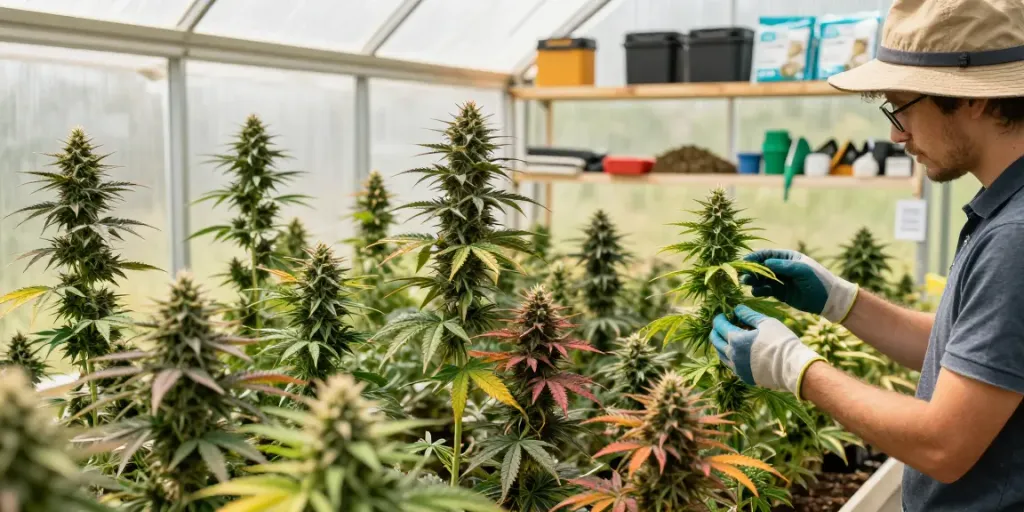

Understanding CBD Cannabis Seeds: Definitions and Characteristics
As the cannabis industry evolves, the demand for CBD cannabis seeds with high CBD genetics has surged, appealing to both home growers and commercial cultivators. The interest lies not only in the therapeutic benefits of cannabidiol (CBD) but also in the diverse flavors and experiences these seeds can offer. High-CBD strains are specifically bred for their low levels of tetrahydrocannabinol (THC), creating options suitable for users seeking relief without the psychoactive effects commonly associated with cannabis. When exploring options, cannabis seeds with high CBD genetics provide comprehensive insights into the different varieties available and their associated benefits.
What are CBD Cannabis Seeds?
CBD cannabis seeds are the starting point for cultivating cannabis plants that predominantly produce cannabidiol (CBD) instead of tetrahydrocannabinol (THC). Unlike traditional cannabis seeds that may have higher THC levels, CBD seeds are bred to enhance the production of CBD, leading to increased therapeutic effects without the intoxication. These seeds can yield plants that express a range of cannabinoid profiles—some having a higher CBD content and varying levels of THC, which can influence the legal status of the cultivated product.
Key Varieties of High CBD Seeds
When considering high-CBD cannabis seeds, it’s vital to understand the different varietals available. Common strains include:
- ACDC: Known for its balanced CBD-to-THC ratio, ACDC provides a clear-headed experience.
- Harlequin: With a 5:2 ratio of CBD to THC, this strain is popular for both medical and recreational users.
- Charlotte's Web: Specifically bred for its high CBD content, Charlotte's Web has gained recognition for its therapeutic properties.
Moreover, these seeds can be feminized or regular, autoflowering or photoperiod, providing growers with multiple options tailored to their cultivation style and space.
Importance of Cannabinoid Profiles
The cannabinoid profile of a cannabis seed defines the plant's potential effects on the user. Understanding these profiles is crucial for growers who aim to produce specific outcomes. For instance, breeders utilize cannabinoid-synthase genetics to select parent plants that favor either a high CBD dominance or a balanced CBD-to-THC outcome. Through careful breeding over generations, these traits are stabilized, ensuring that the resulting seeds maintain consistent cannabinoid levels.
Choosing the Right Cannabis Seeds for Your Garden
Choosing the right cannabis seeds with high CBD genetics involves understanding several key factors that influence both the growth and eventual cannabinoid content of the plants. Not only do the genetics of the seeds play a crucial role, but various environmental and cultivation factors also contribute to the quality and yield of the crop.
Factors Influencing CBD Content
The CBD content in cannabis plants can be influenced by a variety of factors, including but not limited to:
- Genetics: Different strains have inherent properties that govern their cannabinoids.
- Growing Conditions: Light, temperature, humidity, and soil quality directly impact plant health and cannabinoid production.
- Nutrients: The right balance of nutrients can enhance not just growth but also cannabinoid levels.
By understanding these factors, cultivators can create optimal conditions for their plants, leading to higher yields and better-quality cannabis.
Comparison: CBD vs. THC-Dominant Seeds
When choosing between CBD and THC-dominant seeds, it’s essential to recognize the different effects each type possesses. THC-dominant strains are known for their psychoactive effects and are often favored for recreational use. In contrast, CBD-dominant seeds are utilized for medical purposes, aiming to alleviate symptoms such as anxiety, pain, and inflammation, without the intoxicating effects associated with THC.
Moreover, some cultivars offer a balanced profile, which might appeal to users interested in both cannabinoids.
Understanding Autoflowering vs. Photoperiod Seeds
Another vital consideration for growers is the type of seed: autoflowering or photoperiod. Autoflowering seeds automatically switch from the vegetative to flowering stage based on age rather than light cycle. This makes them ideal for novice growers or for those looking to maximize their harvests within a shorter time frame.
Photoperiod seeds, however, require specific light conditions to trigger flowering. They often produce more significant yields and robust plants but require more intensive management of light exposure.
Best Practices for Growing CBD Cannabis Seeds
Once the right cannabis seeds have been selected, understanding best practices for cultivation becomes paramount in achieving desired results. Various factors—from planting to harvesting—play critical roles in delivering high-quality CBD flowers.
Optimal Growing Conditions for High CBD Genetics
To maximize the potential of high CBD cannabis seeds, growers should consider:
- Soil Quality: Nutrient-rich, well-draining soil enhances root development.
- Lighting: Providing adequate light is crucial for photosynthesis, impacting growth rates and cannabinoid production.
- Watering: Consistent but not excessive watering is key to preventing root rot and ensuring the plants thrive.
Common Mistakes in Cultivation
Even experienced growers can make mistakes. Common pitfalls include:
- Underestimating nutrient needs, leading to deficiencies.
- Inconsistent watering schedules that can stress plants.
- Neglecting pest and disease management, which can decimate crops.
Awareness of these common errors can help cultivate robust, high-CBD plants that flourish.
Harvesting and Curing CBD Flowers
Harvesting CBD flowers at the right time is crucial for maximizing cannabinoid content. Ideally, plants should be harvested when trichomes are milky white with some amber, indicating peak potency. Once harvested, the curing process enhances the flavor and aroma of the buds while preserving their cannabinoids. Proper curing involves drying the buds slowly in a controlled environment to prevent mold and loss of potency.
Navigating Legal Considerations and Compliance
With the rise of CBD cultivation, understanding the legal landscape is vital for growers. The legality of CBD cultivation often varies by location, influenced by both federal and local regulations.
Understanding Local Laws for CBD Cultivation
Before embarking on any cultivation, it’s essential to review local cannabis laws. Some states only allow the cultivation of hemp (defined as cannabis with less than 0.3% THC), while others permit higher THC levels. Growers should also consider registration and licensing requirements in their jurisdiction.
Legal Implications of High THC Levels
For growers interested in strains that contain THC, understanding the legal implications is critical. Exceeding allowed THC levels can lead to legal issues, including fines and confiscation of crops. It’s therefore essential to choose strains wisely and to conduct regular testing to ensure compliance.
How to Ensure Compliance with CBD Regulations
To maintain compliance, growers should:
- Regularly test plants for THC levels.
- Keep thorough records of all cultivation activities and seed sources.
- Stay informed of any changes in state and federal laws regarding cannabis.
Future Trends in CBD Seed Development and Cultivation
The future of CBD seed cultivation looks promising, with innovations and advancements continuously shaping the landscape. Breeders are becoming more adept at creating bespoke strains that cater to specific therapeutic needs.
Innovations in Genetic Breeding Techniques
As the demand for CBD increases, breeders are employing advanced genetic techniques to create strains that not only have higher CBD levels but also enhanced terpene profiles that provide additional flavors and therapeutic benefits. Techniques such as CRISPR technology and traditional breeding methods are becoming more prevalent in the industry.
Market Demand and Consumer Preferences
With consumers becoming more educated about the benefits of CBD, there is a rising trend towards products that are organic and sustainably grown. Growers who focus on quality and ethical practices are likely to thrive in this shifting market landscape.
Predictions for CBD Cannabis Trends in 2026
As we look toward 2026, expectations include a greater emphasis on transparency in product labeling, with consumers demanding more information about cannabinoid profiles and sourcing. Innovations in extraction and processing are also anticipated, aiming for higher purity and effectiveness in CBD products.
Which cannabis seeds are high in CBD?
Several reputable breeders offer high-CBD cannabis seeds that cater to various cultivation needs. Researching each seed lineage can help identify the best strains for specific therapeutic outcomes.
Which cannabis strains have the highest CBD content?
Strains like Charlotte's Web and ACDC are renowned for their high CBD content, making them favorites among those seeking therapeutic effects without the high associated with THC.
What are the highest yielding cannabis seeds available?
High-yielding cannabis seeds often come from hybrid strains that have been selectively bred for maximum production. Regular testing for cannabinoid profiles ensures these high-yielding seeds also maintain desired CBD levels.
What is the best way to store CBD seeds?
For optimal viability, CBD seeds should be stored in a cool, dark place, ideally in airtight containers to protect them from moisture and light. Regular checks can help ensure that seeds remain healthy for future planting.
How do environmental factors affect CBD content?
Environmental factors such as climate, soil conditions, and light exposure play significant roles in determining the final cannabinoid profile of the plants. Tailoring these conditions can enhance CBD production and overall quality of the harvest.