Understanding the Basics of Silhouette vs Cricut
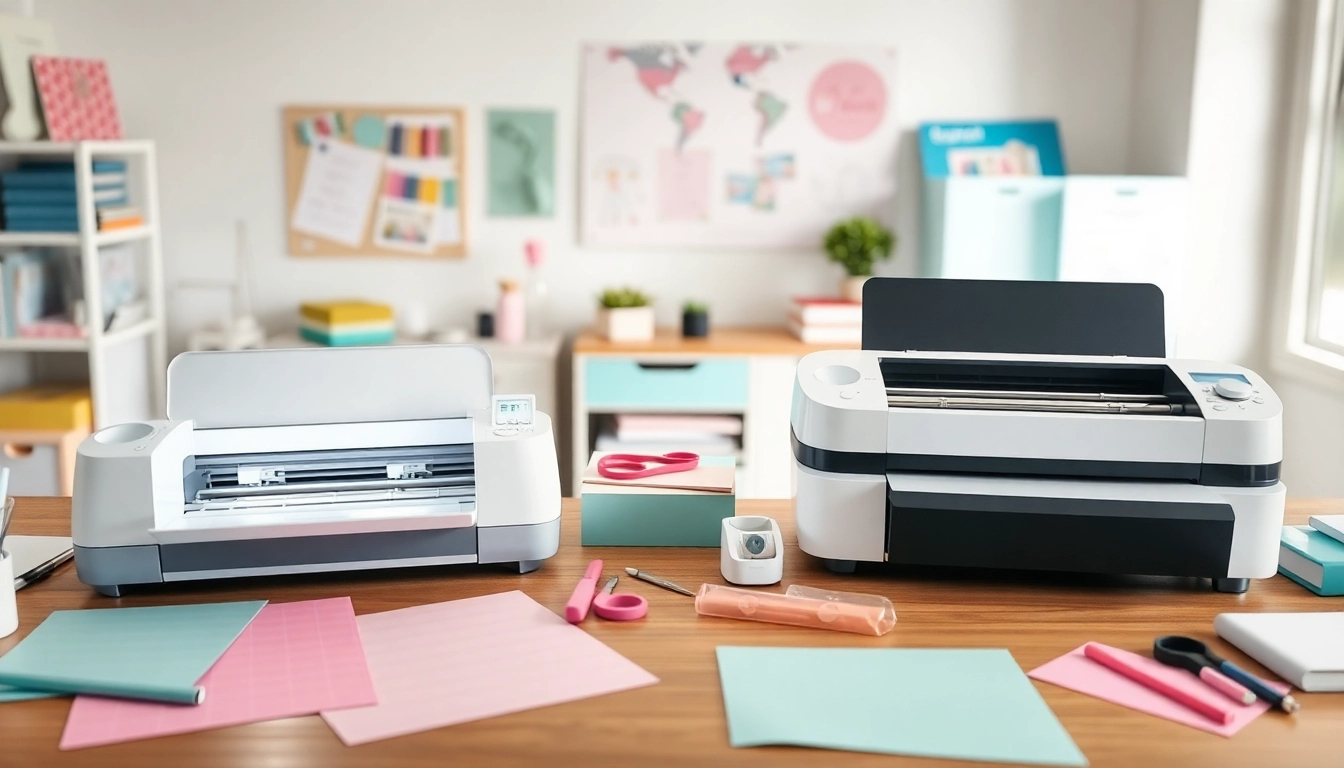
In the world of crafting and DIY projects, cutting machines have revolutionized the way we create. Among the most popular options are the Cricut and Silhouette machines, which each offer unique features tailored to different crafting needs. Understanding their core differences is essential for anyone looking to invest in a cutting machine. When exploring options, silhouette vs cricut provides comprehensive insights into these two powerful tools.
What is a Cricut Machine?
The Cricut machine is a versatile electronic cutting device that can cut various materials, including paper, vinyl, wood, and even fabric. Cricut’s product line includes several models, such as the Cricut Explore series and the Cricut Maker. Each model brings unique capabilities and features, with the Maker offering advanced cutting techniques and material flexibility, making it ideal for professional crafters and hobbyists alike. A key selling point of the Cricut machine is its extensive library of designs and easy-to-use software, Cricut Design Space, which simplifies the design process for users of all skill levels.
What is a Silhouette Machine?
The Silhouette machine, particularly the Cameo series, represents strong competition in the crafting space. Similar to Cricut, Silhouette machines also handle a variety of materials such as cardstock, vinyl, and fabric. The standout feature of Silhouette machines is their advanced software, Silhouette Studio, which offers powerful editing tools and flexibility in design creation. This allows users to manipulate designs and create custom pieces, catering to both newbie crafters and seasoned professionals.
Key Features Comparison
- Cutting Versatility: Both machines can cut a wide range of materials; however, Cricut machines are known for their ability to cut thicker materials effectively.
- Software: Cricut Design Space is intuitive but some users find it more restrictive compared to Silhouette Studio's more robust editing capabilities.
- Cost and Accessories: Cricut machines often require the purchase of additional accessories, whereas Silhouette machines offer more inclusive packages at the time of purchase.
Performance Showdown: Silhouette vs Cricut
Cutting Capabilities and Material Compatibility
When comparing cutting capabilities, both the Cricut and Silhouette machines excel in their own rights. Cricut machines are famed for their precision and ability to cut through thicker materials like wood and leather, which the Silhouette struggles with at times. On the other hand, Silhouette machines offer an extensive range of material compatibility, including specialty materials that Cricut may not support. This makes them a strong choice for crafters looking to expand their creative projects.
Speed and Precision: Which is Better?
Speed and precision are crucial for crafters who frequently work on large projects. Cricut machines typically offer faster cutting speed, allowing users to complete their tasks more efficiently. However, Silhouette machines often provide slightly better precision for intricate designs due to their advanced blade technology. Ultimately, the choice may boil down to the specific projects a user plans to undertake.
Software Usability: Cricut Design Space vs Silhouette Studio
One of the most significant differences lies in the software. Cricut Design Space is well-known for its user-friendly interface, making it accessible, especially for beginners. However, it can be limiting for advanced users who wish to create intricate designs. In contrast, Silhouette Studio allows for advanced design capabilities and customization, which can be a double-edged sword; it may take longer to learn but offers greater detail and control over the designs.
Cost Analysis: Silhouette vs Cricut Budgeting
Initial Purchase Costs and Packages
When it comes to the initial purchase cost, Cricut machines generally have a higher price point, especially for their premium models like the Cricut Maker. In contrast, Silhouette machines like the Cameo are usually more budget-friendly, making them an appealing option for beginners. Additionally, Silhouette packages often include more essential accessories and materials, which can offset the initial costs in the long run.
Long-term Expenses: Accessories and Materials
Long-term costs can vary significantly between the two brands. Cricut accessories, such as blades and mats, can add up over time, while Silhouette users may find their replacement costs to be somewhat lower. However, it's essential to consider the availability and cost of materials, as Cricut has built a robust supply chain that ensures competitive pricing on their proprietary items.
Value for Money: Which Offers More?
Determining value for money can be subjective and largely depends on the user's crafting preferences. Cricut machines often deliver smoother cutting experiences and superior performance in specific projects, while Silhouette offers more versatility in design and material options. Evaluating one's crafting needs and budget will ultimately guide the decision.
User Experience: Insights from Crafters
Community Feedback on Cricut vs Silhouette
User experiences can vary widely between Cricut and Silhouette. Many crafters praise Cricut for its ease of use and customer support, while others appreciate the customizability of Silhouette’s software. Exploring user forums and craft groups can provide valuable insights into personal experiences and preferences, helping potential buyers make informed decisions.
Common Challenges and How to Overcome Them
Crafters often report challenges with both machines, such as managing software updates or troubleshooting cutting errors. Joining online communities or local crafting groups can be incredibly helpful for users facing these issues, as sharing solutions and tips from experienced users can ease the learning curve.
Tips for New Users Transitioning Between Machines
For users transitioning between Cricut and Silhouette, it's beneficial to familiarize yourself with the unique features of the new machine. Tutorials, both written and video, can clarify software differences and cutting techniques. Additionally, taking time to experiment with both machines can help users gain confidence in their new capabilities.
Future Trends in Crafting: What to Expect in 2026
Emerging Technologies in Cutting Machines
As technology continues to evolve, we can expect cutting machines to incorporate advanced features such as artificial intelligence for improved cutting accuracy and automated settings based on material type. This will revolutionize how crafters approach their projects, making the process more efficient and user-friendly.
Crafting Communities: A Growing Trend
The crafting community has seen significant growth in recent years, fueled by social media platforms and online crafting clubs. This trend is likely to continue, creating more spaces for crafters to share their work, collaborate on projects, and offer support to one another, enhancing the overall crafting experience.
Sustainable Crafting: Eco-Friendly Options for Crafters
As environmental consciousness rises, sustainable crafting will become a significant focus. Look for cutting machines that offer eco-friendly materials and processes, as well as resources for recycling and reusing crafting materials. This trend aligns with a broader societal shift towards sustainability, providing crafters with more socially responsible choices.