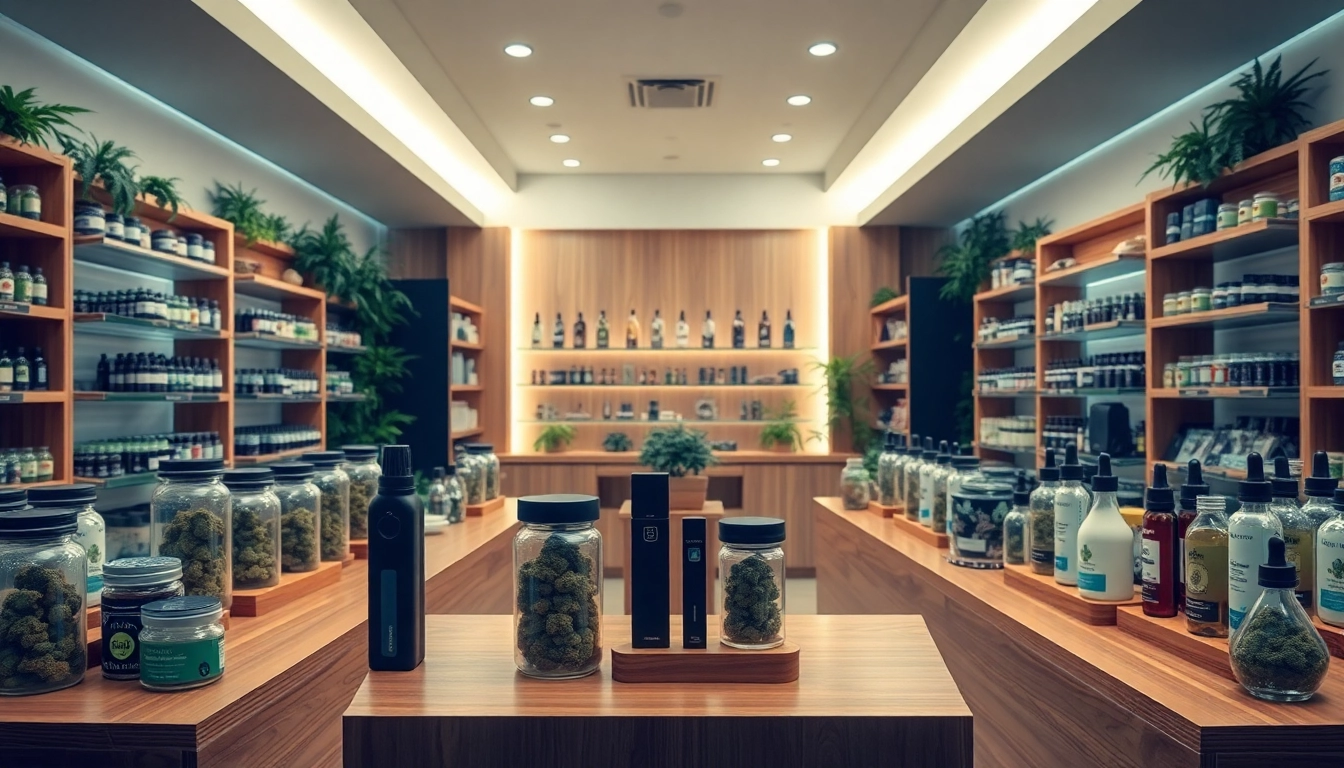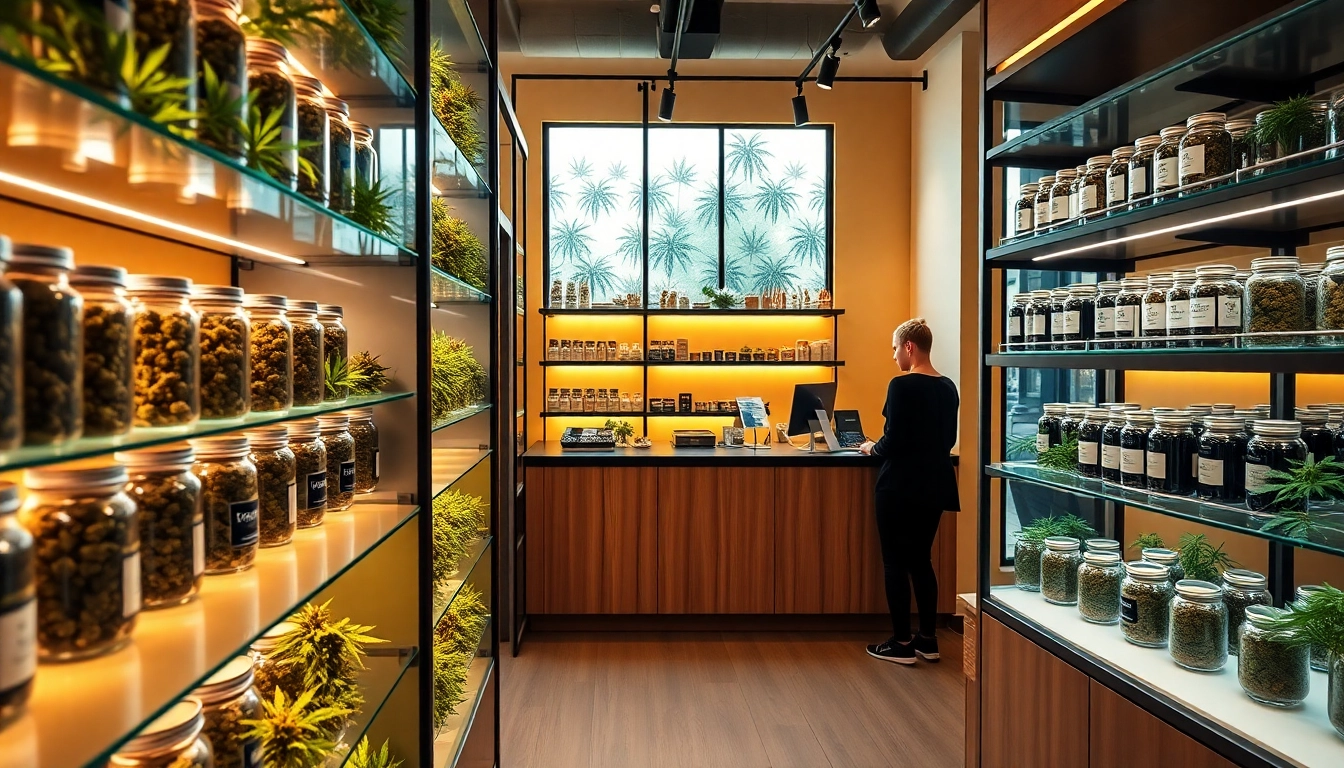
As the cannabis industry continues to evolve, the presence of Weed Store has become more important than ever. These establishments, often referred to as dispensaries, serve as the primary source for consumers looking to purchase various cannabis products, from flower and concentrates to edibles and topicals. Understanding how to navigate this landscape is crucial for both new and experienced cannabis users alike. In this comprehensive guide, we will delve into the different types of products available, the regulations governing weed stores, safety standards, pricing expectations, and how to enhance your overall experience at the dispensary.
Understanding the Variety of Products Available in a Weed Store
Different Types of Cannabis and Their Uses
The cannabis plant consists of numerous strains, each with its unique characteristics. Broadly, cannabis can be categorized into three main types: Indica, Sativa, and Hybrid.
- Indica: Typically known for its relaxing effects, Indica strains are often recommended for nighttime use. They may alleviate symptoms such as insomnia, chronic pain, and anxiety.
- Sativa: Known for its energizing effects, Sativa strains are popular during the day. They are often chosen for increased creativity and motivation, making them suitable for social gatherings or outdoor activities.
- Hybrid: As the name suggests, hybrids combine the effects of both Indica and Sativa. Depending on the specific strain, hybrids can lean towards either effect, allowing for targeted use based on user preferences.
Consumers should consider what effects they seek when selecting a strain. Additionally, specific strains may cater to niche needs, such as CBD-rich options for medical users.
Understanding Cannabis Concentrates and Extracts
Concentrates and extracts are forms of cannabis that have been processed to enhance their potency. They can come in various forms, including wax, shatter, oil, and live resin. Each type has distinct characteristics and methods of consumption:
- Wax: A sticky, gummy substance often consumed using a dab rig. It is typically high in THC, making it ideal for experienced users seeking strong effects.
- Shatter: A brittle concentrate that shatters easily. It is known for its purity and is a favorite among users who prioritize a high THC concentration.
- Oil: Cannabis oil can be consumed in various ways, including vaporizing and incorporating it into edibles. It is versatile and often contains a higher CBD content.
- Live Resin: Made from fresh, frozen cannabis plants, live resin retains more terpenes, resulting in a flavorful experience.
Understanding the differences between these products will help consumers choose the most suitable option for their desired experience.
Edibles: Delicious Ways to Enjoy Cannabis
Edibles have become an increasingly popular way to consume cannabis. These products offer a discreet and enjoyable method of ingestion and come in various forms, including:
- Gummies: Flavorful and easy to dose, cannabis gummies are ideal for beginners looking for a sweet treat.
- Baked Goods: Items like brownies and cookies are classic forms of edibles. They often deliver strong effects thanks to their fat content, which can absorb more cannabinoids.
- Drinks: Cannabis-infused beverages are a newer addition that offers a refreshing way to consume cannabis without the need for smoking or vaping.
- Cooking Oils: These can be infused with cannabis and used in cooking, allowing for a customizable experience.
Edibles take longer to take effect compared to smoking, so consumers should be cautious with dosing. Patience is key to ensuring a pleasant experience.
Navigating Weed Store Regulations and Legalities
Understanding the Legal Framework Surrounding Cannabis
The legalization of cannabis has varied across different states and regions, creating a complex legal framework that consumers must navigate. In most legal states, cannabis is available for both medical and recreational use, though regulations may differ significantly.
It is vital for consumers to familiarize themselves with their locality’s laws regarding possession limits, purchase restrictions, and usage regulations to ensure compliance and safety.
Age Restrictions and Compliance in Weed Stores
Generally, most legal weed stores require customers to be at least 21 years old to purchase cannabis products. Valid identification is typically required. Medical cannabis patients may have different age restrictions in accordance with their state laws. Compliance with these regulations is strictly enforced, and weed stores often have protocols in place to ensure all transactions are legal and documented.
Local vs. State Laws Affecting Sales
While state laws govern cannabis sales broadly, local jurisdictions may impose additional regulations or even ban dispensaries outright. Therefore, it’s advisable for consumers to research both state and local laws thoroughly to understand where and how they can legally purchase cannabis.
Safety and Quality Assurance in a Weed Store
Best Practices for Selecting High-Quality Products
When shopping at a weed store, quality should be a top priority. Here are some best practices for selecting high-quality products:
- Look for products with cannabinoid and terpene profiles clearly listed on the label. This information can provide insights into the product’s effects.
- Choose products from reputable brands known for consistent quality and transparency in their sourcing and manufacturing processes.
- Inquire about sourcing practices. Responsible growers often adhere to organic methods that avoid harmful pesticides and fertilizers.
Importance of Lab Testing for Cannabis Products
Lab testing is a critical aspect of the cannabis industry, ensuring that products meet safety standards for potency and purity. Independent labs test cannabis products for:
- Potency (THC and CBD levels)
- Pest residues
- Mold and mildew
- Residual solvents for concentrates
Before making a purchase, consumers should ask to see the lab results to confirm the safety and quality of the products they are buying.
Understanding Product Labels and Ingredients
Product labels can provide insight into what a consumer is purchasing. Key elements to look for include:
- Potency levels: These indicate the strength of the product and help inform dosing.
- Ingredients list: Consumers should be aware of any additives or fillers, especially in edibles.
- Origin information: Knowing where the cannabis was grown can affect quality perceptions and safety concerns.
Understanding labels is crucial for making informed decisions about what to buy.
Comparing Costs: What to Expect at a Weed Store
Understanding Price Ranges for Different Cannabis Products
Prices for cannabis products can vary widely based on quality, strain, and form. On average, consumers can expect to pay the following price ranges:
- Flower: Ranging from $10 to $25 per gram depending on strain and quality.
- Concentrates: Typically priced at $35 to $75 per gram, with variances based on the processing method.
- Edibles: Price can range from $5 for low-dose options to $30 for high-powered products.
Understanding these price ranges can aid consumers in setting a budget for their purchases during visits to a weed store.
Value Versus Cost: When to Spend More
Investing in higher-priced products doesn’t always guarantee better quality; however, there can be occasions where spending more results in a superior experience. Consider the following:
- High-potency products may provide better value for seasoned users who require stronger effects.
- Unique strains with rare qualities may be worth the extra cost for those looking for specific effects or flavors.
- Premium brands that provide detailed lab testing and transparency often justify their higher prices with better quality assurances.
Specials and Discounts to Look For
Many weed stores offer discounts and promotions to attract customers. Some common specials include:
- First-Time Buyer Discounts: A common tactic to entice new customers.
- Happy Hour Promotions: Certain stores might offer discounts during specific hours.
- Loyalty Programs: Frequent customers may receive points or discounts for future purchases.
Being aware of these opportunities can help consumers maximize their budgets and explore new products at a lower cost.
Enhancing Your Experience at a Weed Store
Preparing for Your Visit: Questions to Ask
Preparation can significantly enhance the experience at a weed store. Customers should have a few key questions ready:
- What are the most popular products at the moment?
- Can you recommend strains based on specific needs or effects?
- What are the store policies regarding returns or exchanges?
Having a clear understanding of these elements can foster a smoother shopping experience.
Best Ways to Utilize Staff Expertise
Dispensary staff are often well-trained and knowledgeable about their products. Here are a few ways to make the most of their expertise:
- Engage with staff about personal preferences and any specific needs. They can provide tailored recommendations based on individual requirements.
- Ask about the latest product trends or seasonal offerings that might interest you.
- Inquire about upcoming events or workshops the dispensary may host, providing further opportunities for engagement with the cannabis community.
Community Events: Engaging with Local Cannabis Culture
Many weed stores actively participate in their local communities by hosting events that promote cannabis education and culture. Examples may include:
- Workshops on cannabis cooking or cultivation.
- Community service and charity events centered around cannabis social justice efforts.
- Product tastings and meet-ups with local growers.
Engaging with such events can enrich a consumer’s understanding of cannabis and its societal implications.