

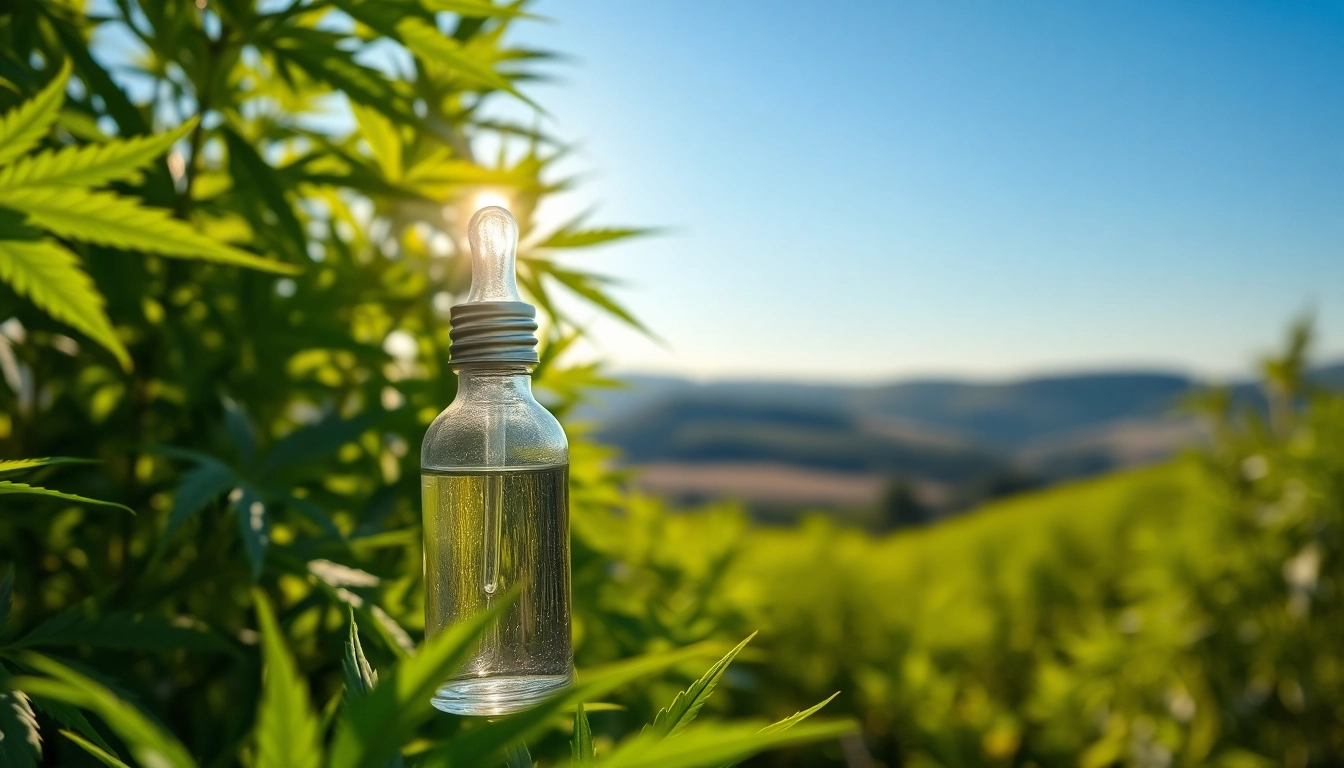
What is CBD Oil?
Definition and Origin of CBD Oil
Cannabidiol, commonly referred to as CBD, is one of the many compounds found in the cannabis plant. Unlike CBD Oil, which has garnered considerable public interest, tetrahydrocannabinol (THC) is the psychoactive compound that is responsible for the “high” associated with marijuana. Derived primarily from hemp—a variety of cannabis with low THC levels—CBD has been recognized for its potential therapeutic properties. Its usage can be traced back thousands of years, as various cultures harnessed the benefits of the cannabis plant for medicinal purposes.
How CBD Oil is Extracted
The extraction of CBD Oil is a crucial process that influences its quality and efficacy. Several methods exist, each varying in effectiveness and result. The most common extraction methods include CO2 extraction, solvent extraction, and oil infusion.
CO2 extraction is widely regarded as the gold standard. This method utilizes pressurized carbon dioxide to pull the desired phytocannabinoids from the plant. The advantage is that it doesn’t require any harmful solvents and results in a high-quality, pure product.
Solvent extraction, on the other hand, involves the use of solvents like alcohol or butane to dissolve the cannabinoids from the plant material. While effective, it can leave behind traces of the solvent, which may not be desirable for consumers.
Lastly, oil infusion is one of the oldest methods where the plant material is heated with a carrier oil (like olive or coconut oil) to extract the compounds. While this method is simple and safe, it lacks the potency that other extraction methods can offer.
Different Types of CBD Oil Products
CBD Oil comes in a variety of forms, catering to different consumer preferences. The three primary types include:
- Full-Spectrum CBD: This type contains all the cannabinoids naturally found in cannabis, including a little THC. It’s believed that the various compounds work better together, a phenomenon known as the “entourage effect.”
- Broad-Spectrum CBD: Similar to full-spectrum, but has had the THC removed. It provides many of the benefits without the effects of THC, making it a non-intoxicating choice.
- CBD Isolate: This is the purest form of CBD, where all other cannabinoids, terpenes, and plant compounds have been removed. It’s ideal for those who want pure CBD without any other substances.
Health Benefits of CBD Oil
Pain Relief and Inflammation Reduction
One of the most prominent uses of CBD Oil is its potential to alleviate pain and inflammation. Numerous studies point to the anti-inflammatory properties of CBD. Research suggests that CBD can impact endocannabinoid receptor activity, reducing chronic pain by interacting with neurotransmitters. Patients with conditions like arthritis, multiple sclerosis, and general chronic pain have reported significant relief when using CBD Oil.
Additionally, CBD is believed to help control inflammatory responses within the body, which plays a critical role in many diseases. By inhibiting certain inflammatory cytokines, CBD can reduce inflammation and thus contribute to pain management.
Anxiety and Stress Management with CBD Oil
Anxiety disorders are among the most common mental health conditions affecting millions globally. Observational studies and clinical trials have indicated that CBD may help reduce anxiety in various forms such as generalized anxiety disorder, social anxiety disorder, and PTSD.
CBD is thought to activate serotonin receptors in the brain, which can enhance mood and help regulate emotions. These effects make it a compelling option for individuals seeking natural methods to cope with stress and anxiety, particularly in high-pressure situations.
Potential Impact on Sleep Quality
Many individuals report improved sleep quality and reduced insomnia symptoms when using CBD Oil. The relaxation properties associated with CBD can help individuals fall asleep more easily and enhance overall sleep quality.
Some studies suggest that CBD influences sleep by alleviating conditions that contribute to sleep disturbances, such as anxiety and pain. While research is ongoing, initial results are promising for those who struggle with sleep-related issues.
How to Use CBD Oil Effectively
Recommended Dosage for Beginners
For beginners, determining the right dosage can be daunting. It is generally recommended to start low and go slow—which translates to starting with a small dose and gradually increasing it until achieving the desired effect.
Many first-time users find doses between 5 to 10 mg effective. After gauging the effects, the dosage can be adjusted. Consulting with a healthcare professional is advisable, as they can provide personalized recommendations based on individual health situations and needs.
Methods of Consumption: Tinctures, Edibles, and Topicals
CBD Oil can be consumed in several ways, and the method chosen can significantly affect how quickly the user experiences its effects.
- Tinctures: These are liquid extracts taken sublingually (under the tongue) for faster absorption into the bloodstream.
- Edibles: CBD-infused products like gummies and beverages are an enjoyable way to consume the oil, but may take longer to feel the effects as they must pass through the digestive system.
- Topicals: Creams and lotions infused with CBD can be applied directly to the skin. They are often preferred for localized relief of pain or inflammation.
Understanding Bioavailability of CBD Oil
Bioavailability refers to the proportion of CBD that enters the circulation when introduced into the body. Different methods of consumption lead to varying levels of bioavailability.
For example, when taken sublingually, tinctures tend to have higher bioavailability (around 30% to 35%) as opposed to edibles, which might present lower rates due to the digestive process (around 4% to 20%).
Understanding bioavailability is essential for users to effectively determine dosages and expected effects.
Safety and Side Effects of CBD Oil
Common Side Effects to Consider
While many people tolerate CBD well, it is essential to be aware of potential side effects. Some common side effects include tiredness, diarrhea, changes in appetite, and weight fluctuations.
Generally, these side effects are mild and temporary. However, it is crucial to monitor one’s response to the product and seek medical advice if adverse reactions persist.
Who Should Avoid CBD Oil?
Certain individuals should exercise caution when considering CBD Oil. Pregnant or breastfeeding women, people with liver disease, and those who are taking certain medications that interact with CBD should avoid its usage without medical consultation.
Additionally, before starting CBD, those with underlying health conditions should consult with a healthcare professional to ensure its safety.
Interactions Between CBD Oil and Medications
CBD Oil has the potential to interact with various medications, particularly those with a “grapefruit warning.” This is because CBD can influence cytochrome P450 enzymes involved in drug metabolism.
It’s crucial for users to inform their healthcare providers about all medications they are taking, including CBD Oil, to avoid adverse interactions or diminished effectiveness of their prescribed therapies.
Future Research and Trends in CBD Oil Use
Emerging Studies on CBD Oil Benefits
Ongoing research continues to explore the capabilities and potential benefits of CBD Oil. Emerging studies suggest its effectiveness not just for pain management and anxiety, but also for conditions like epilepsy, neurodegenerative diseases, and even cancer-related symptoms.
As scientific understanding of CBD advances, so too does the potential for new therapeutic applications, making future research critical to unlocking its full benefits.
Regulation and Quality Standards in the CBD Industry
The evolving legal landscape surrounding CBD Oil presents challenges and opportunities. Regulatory frameworks are being developed to ensure product quality and consumer safety. Certification processes and lab testing are becoming increasingly important to provide transparency in these products.
Consumers should remain vigilant about product quality, seeking out brands that provide third-party lab test results to confirm the purity and potency of their CBD Oil products.
Consumer Awareness and Education on CBD Oil
As public interest in CBD Oil rises, so does the importance of consumer education. Many still harbor misconceptions or limited understanding of how CBD works, effective usage, and safety considerations.
Reliable information must be readily available, empowering consumers to make informed decisions about incorporating CBD Oil into their wellness routines.





Leave a Reply