
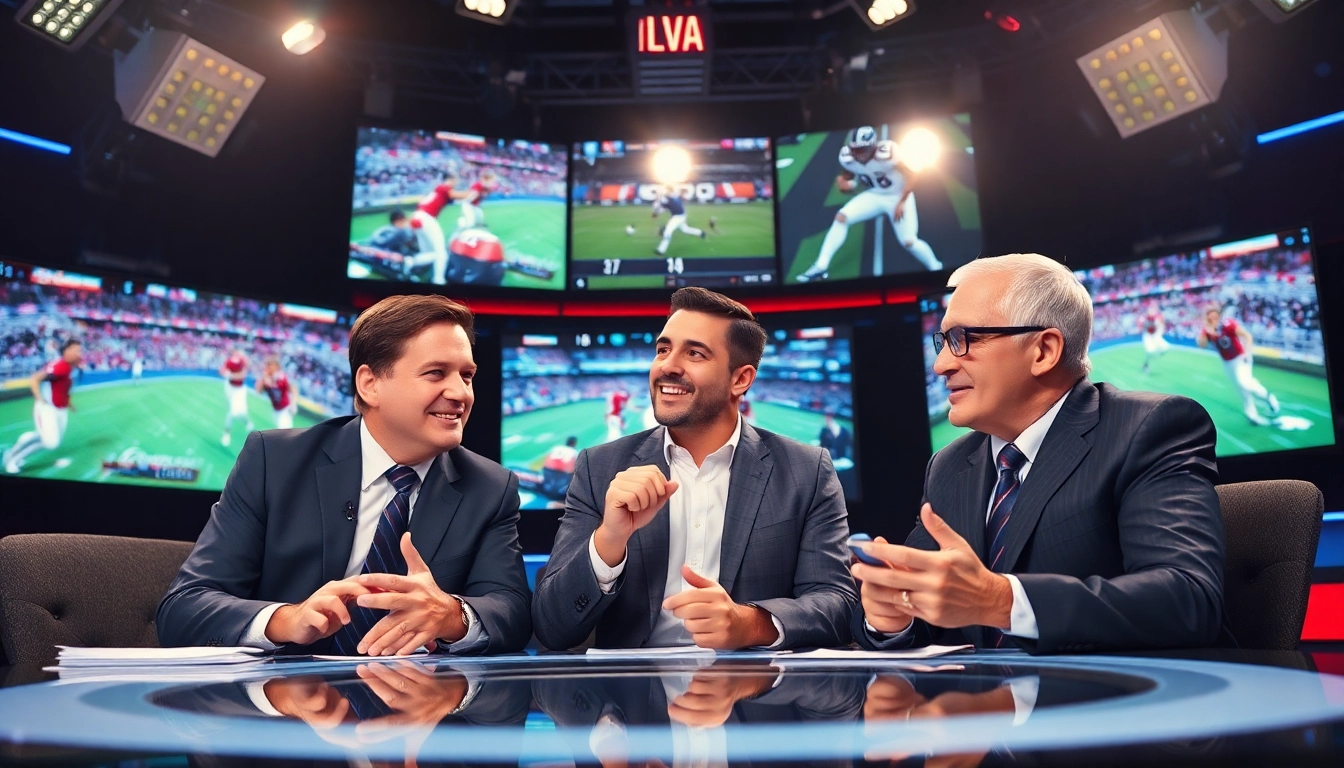
The Fundamentals of Sports Broadcasting
Sports broadcasting is a dynamic field that encompasses the live coverage of sporting events, interviews with athletes, analysis of gameplay, and insightful commentary. At its core, sports broadcasting aims to inform, entertain, and engage audiences around the world, making it a critical component of the sports industry. As the landscape of media continues to evolve with technology, understanding the nuances of Sports Broadcasting becomes essential for aspiring broadcasters and seasoned professionals alike.
Understanding the Role of Sports Broadcasting
The role of sports broadcasting extends beyond just relaying the events happening on the field. Broadcasters are responsible for creating narratives that enhance the viewer’s experience. They help contextualize the action, providing background information on players, history, and statistics that enrich the sports narrative. Broadcasters also act as the audience’s voice, expressing opinions and analyses that may resonate with viewers. Their goal is not just to inform but also to create a connection between the audience and the sport, influencing how fans perceive the game.
Key Skills for Aspiring Broadcasters
To thrive in the field of sports broadcasting, aspiring professionals need to develop a diverse skill set. Here are some essential skills:
- Strong Communication Skills: Clear articulation and the ability to convey complex ideas succinctly are crucial.
- Analytical Thinking: Broadcasters must be able to analyze game strategies and player performances effectively.
- Adaptability: Being flexible and quick-thinking is vital, particularly when live coverage doesn’t go as planned.
- Technical Proficiency: Familiarity with broadcasting equipment and software is essential for smooth operations.
- Storytelling Ability: The capacity to weave engaging narratives around sports events makes broadcasts more captivating.
The Importance of Audience Engagement in Sports Broadcasting
Engaging the audience is a crucial aspect of sports broadcasting. The industry sees viewer habits shift rapidly, influenced by social media, digital content, and changing consumption patterns. Broadcasters need to adopt innovative strategies to foster viewer interaction, such as incorporating real-time polls, social media mentions, and fan questions into their broadcasts. This direct interaction can enrich the viewing experience, making fans feel more involved, and thus, increasing loyalty and viewership.
Types of Sports Broadcasting
Live vs. Pre-Recorded Sports Broadcasting
Live sports broadcasting is characterized by its immediacy, allowing viewers to experience events as they unfold. This format cultivates a sense of excitement as audiences engage with real-time commentary and analysis. On the other hand, pre-recorded sports broadcasts allow for post-production editing, enabling broadcasters to curate content, enhance the narrative, and manage pacing better. While both formats have their place, the choice between live and pre-recorded often depends on audience preferences and the nature of the sporting event being covered.
National vs. Local Sports Broadcasting
National sports broadcasting typically involves coverage of major leagues and events with a broad appeal, often featuring star athletes and high-stakes competitions. Local broadcasts, however, focus on regional teams and events, cultivating closer relationships with local fan bases. Both types of broadcasting serve unique functions and cater to different audience demographics, making it crucial for broadcasters to understand their target viewer when planning content.
Television vs. Digital Platforms for Sports Broadcasting
Television remains a dominant medium for sports broadcasting, known for its vast reach and established viewership. However, digital platforms are experiencing explosive growth due to factors like accessibility and the rise of mobile streaming. Broadcasters must recognize this shift and adapt their strategies to encompass both television and digital platforms. This could involve creating exclusive online content to attract younger audiences while continuing to deliver traditional televised broadcasts.
Technical Aspects of Sports Broadcasting
Equipment Essentials for Effective Sports Broadcasting
Successful sports broadcasting relies heavily on high-quality equipment. Essential tools include:
- Cameras: Multiple camera setups allow for varied angles and perspectives of the action.
- Microphones: High-quality audio equipment captures clear commentary and crowd reactions.
- Mixing Consoles: These ensure sound clarity and balance between audio inputs, including commentary and background noise.
- Graphics Software: Used to display on-screen statistics, player information, and other relevant data during broadcasts.
Investing in reliable equipment is vital for maintaining high production standards and delivering a seamless viewing experience.
Understanding Broadcast Production Software
Broadcast production software plays a pivotal role in modern sports broadcasting. This software allows for the integration of graphics, video feeds, and audio management, making it easier to create a polished final product. Familiarity with various software packages can enhance a broadcaster’s efficiency and effectiveness in delivering engaging content. Key features to look for include live editing capabilities, customizable graphics interfaces, and user-friendly navigation systems.
Quality Control in Sports Broadcasting
Quality control is essential at every stage of sports broadcasting. Rigorous testing of equipment before broadcasts, constant monitoring of audio and video quality, and post-broadcast reviews can identify areas for improvement. By establishing a quality control framework, broadcasters can ensure a consistent viewer experience that meets audience expectations.
Content Creation Strategies for Sports Broadcasting
Developing Engaging Content Ideas
Creating compelling content is integral to successful sports broadcasting. Broadcasters should brainstorm creative angles, such as behind-the-scenes footage, player interviews, or fan-focused stories that highlight local involvement in sports. The key is to provide added value to standard game coverage, helping to cultivate a devoted viewer base.
Leveraging Social Media in Sports Broadcasting
Social media represents a powerful tool for sports broadcasters, allowing them to reach a wider audience and promote engagement. Platforms like Twitter, Instagram, and TikTok can be utilized to share highlights, player interviews, and even snippets from live broadcasts. By creating content tailored for these platforms, broadcasters can attract younger demographics and encourage real-time discussions during sporting events.
Storytelling Techniques in Sports Broadcasting
An effective storytelling approach can transform a standard broadcast into a gripping narrative that captivates audiences. Broadcasters should adopt techniques such as character-focused narratives, using rich visual elements, and pacing that builds excitement leading up to key moments. By interweaving statistics and historical references with current events, broadcasters can create an immersive experience that resonates with viewers long after the final whistle.
Performance Metrics and Analytics in Sports Broadcasting
Evaluating Viewer Engagement
Analytics allow broadcasters to measure viewer engagement objectively. Key performance indicators (KPIs) such as viewership ratings, social media interaction, and audience retention rates provide valuable insights. By evaluating these metrics, broadcasters can refine their content strategies and tailor their broadcasts to audience preferences, enhancing overall satisfaction and viewership.
Using Analytics to Improve Broadcasting Strategies
The integration of analytics into broadcasting strategies enables continuous improvement. Broadcasters can leverage data to understand which segments resonate most with viewers, guiding future content development. A/B testing, for instance, can help identify which types of graphics or commentary styles result in higher viewer engagement.
Future Trends in Sports Broadcasting Metrics
As technology evolves, so too will the metrics used to evaluate sports broadcasting performance. Emerging trends include real-time analytics dashboards that provide immediate feedback on viewer engagement during live events. Additionally, predictive analytics may soon play a role in content creation, helping broadcasters anticipate what kinds of programming will engage audiences based on historical viewing patterns.
FAQs about Sports Broadcasting
What skills are essential for a career in sports broadcasting?
Key skills include communication, analytical thinking, adaptability, technical proficiency, and storytelling ability.
How do social media platforms enhance sports broadcasting?
Social media enhances engagement by allowing real-time interaction, sharing highlights, and promoting broadcasts to wider audiences.
What is the difference between live and pre-recorded sports broadcasts?
Live broadcasts provide immediate coverage, creating excitement, while pre-recorded broadcasts allow for editing and enhanced storytelling.
Why is quality control important in sports broadcasting?
Quality control ensures clear audio and video presentation, maintaining professional standards and enhancing viewer experience.
How can analytics improve broadcasting strategies?
Analytics provide insights into viewer preferences, enabling broadcasters to refine their content and better engage their audience.